

When you’re designing a living room and trying to establish your style, it’s important to understand the role of a focal point. Having a specific part of the room where the attention is naturally drawn can help you underline your stylistic choices and give you a viewpoint to design it around. However, focal points can be all kinds of things, and to avoid them clashing and creating a sense of an overwhelming aesthetic, we’re going to look at a few options that you should choose between.
Should It Be The TV?
For some people, bringing focus and attention to the TV can feel a little gauche or even lacking in sophistication. However, modern technology plays a huge role in family life and in entertaining guests now. As such, positioning the TV well, such as by mounting it on the wall, surrounded by floating shelves or minimal artwork, or by placing it amongst a big, ornate wooden entertainment station, can help it stand out as a natural focal point without contrasting its surroundings too much.
Highlight Your Architectural Features
Some living rooms come with their own focal points practically pre-baked into them. This is most true of rooms that have stand-out architectural elements. In most cases, this will mean a fireplace, though other rooms will have an empty cubby where a fireplace once was that can serve as just as much of a magnet for attention. Styling these areas with candles, art, or sculptural items can enhance their impact and serve to soften the often hard clash of the architectural features against their bare backdrops.
Set up A Feature Wall
Some rooms have a distinct lack of standout architectural features to build around, on the other hand. In fact, the long stretches of empty space, such as a particularly large inner wall, can sometimes dominate the space on their own, but this makes them just as suitable a choice for a focal point. Hanging large pieces of artwork, arranging a gallery wall, or even displaying a luxury clock can help you set the tone for the room immediately. You don’t need a lot of pieces; even on a big wall, you just need the right ones to reflect the space’s overall style.
Design A Thematic Vignette
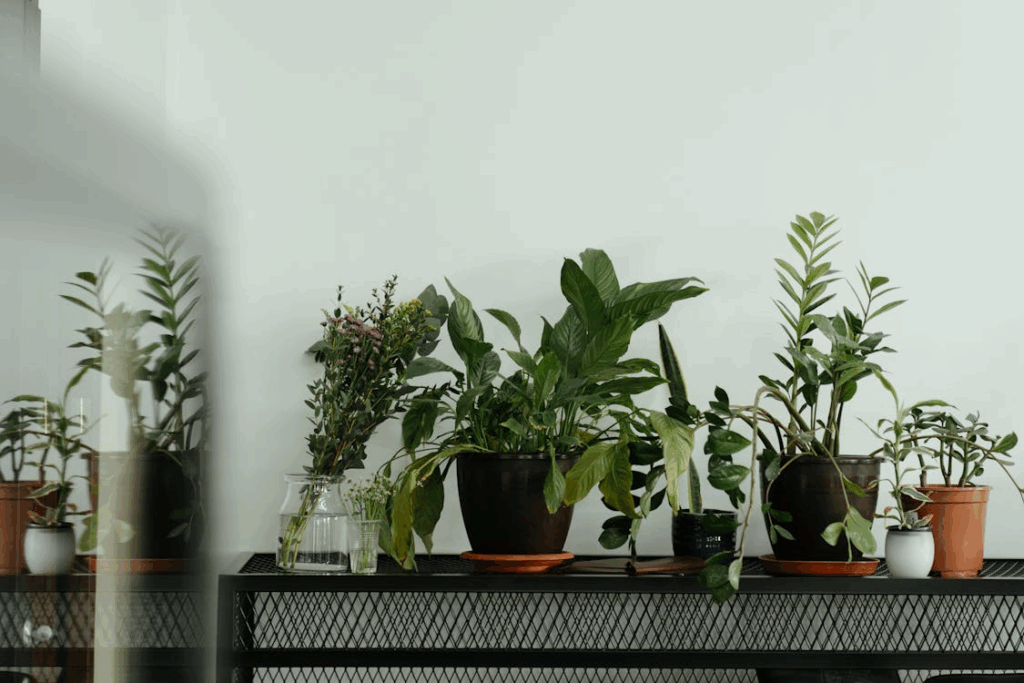
You can take the same approach of decorating your wall ot create a more three-dimensional display to be placed on a table, console, or other surface of the room, as well. Vignettes aren’t as common as the other option, but these curated arrangements of thematic objects can help you conjure up a picture in miniature of the whole room’s aesthetic and tell a story with a range of layered heights and textures. Practically anything can be in a vignette; it’s all about how you place and stage them together.
What you choose as your focal point will largely depend on the strengths of the room as it stands, as well as your own style. The pointers above can help you find the right one for you and your space.