
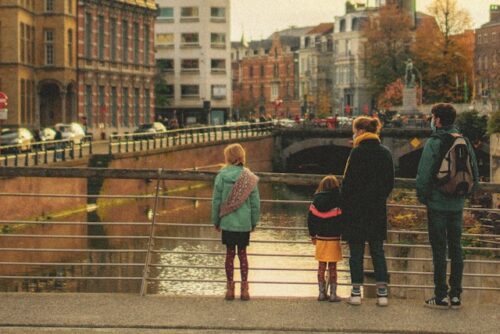
Historic city breaks can work beautifully for families when each day includes a clear purpose, manageable distances and time to recharge. Children may lose interest during a long sequence of monuments, but they often enjoy spotting symbols, riding public transit and discovering surprising stories. These practical city trip ideas can help you choose a family-friendly destination, while the tips below will make its history feel much more approachable once you arrive.
Turn Heritage Trails into Treasure Hunts
Give children a simple mission before setting off on a heritage trail. Ask them to find five carved animals, three dates on buildings or a statue holding an unusual object. A printed map and pencil make the activity feel official, and older kids can take photos as proof.
You can also assign points to different discoveries, then offer a small reward when the family reaches a set total. This guide to making history fun suggests using puzzles and stories to bring the past to life. Keep the route short enough to avoid tired feet. For younger children, 45 minutes may be plenty before a snack or play break.
Anchor Your Stay Near Major Sights
A central hotel can save a family from spending large parts of the day in transit. Before booking, mark your top three attractions on a map and check the walking time from possible accommodations. Look for nearby breakfast options, public transportation and a place to buy basic supplies.
In a history-rich destination, a downtown base for exploring Boston can put travelers close to major sights while providing hotel accommodations suited to a city stay. That location also makes midday breaks more realistic. If a child becomes tired after a morning tour, the whole family can return to the room, rest for an hour and head out again without losing the afternoon to a long commute.
Mix Museums with Outdoor Green Spaces
Plan one focused indoor attraction at a time, then follow it with fresh air. After a history museum, spend an hour in a public garden, waterfront park or pedestrian square. Children get space to move, while adults have time to discuss what everyone saw without rushing into another ticketed attraction.
Review a museum map before entering and select two or three galleries connected to your child’s interests. A child fascinated by transportation may happily study old ships or streetcars but tire quickly in a room filled with portraits. Keep the visit purposeful and leave while everyone still has energy. If the weather changes, reverse the schedule so outdoor time happens during the clearest part of the day.
Incorporate Sweet Treats as Rewards
A local bakery or dessert shop can provide both motivation and a taste of the city’s culture. Set a clear milestone, such as finishing a walking route or spending an hour at a museum, then stop for one special treat. Sharing a regional pastry can also start a conversation about local ingredients and traditions.
Let children help choose the stop from two parent-approved options. This gives them some control without turning the afternoon into a lengthy search. Keep portions and timing sensible, especially if dinner is close. The reward can be small, such as a cookie, fruit ice or cup of hot chocolate. What matters most is creating a cheerful pause that children will associate with the day’s discoveries.
The most memorable family history lessons often come from small details: a lion carved above a doorway, an old street name or the story behind a favorite pastry. Leave room in the schedule for those discoveries, and don’t worry if your family sees fewer landmarks than expected. A child who returns home eager to explain one fascinating story has had a successful city break.
Leave a Reply