
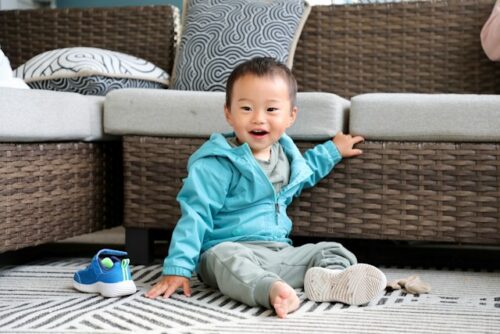
A baby’s first crawl turns the living room floor into a busy place for hands, knees and curious mouths. Dust under the couch, a loose rug corner and yesterday’s snack crumbs suddenly matter much more than they did before.
Preparing the room calls for a closer look at cleanliness and physical hazards. The goal is to create a comfortable floor space where your baby can explore under supervision without encountering preventable risks.
The Microscopic World on the Floor
Floors collect far more than visible dirt. Pollen, pet dander, food particles and residue from shoes can settle deep within carpet fibers or along flooring seams. Since crawling babies frequently touch the floor and then put their hands in their mouths, regular cleaning becomes especially useful during this stage.
Vacuum carpet and rugs at least twice a week, paying close attention to edges, couch legs and other spots where debris gathers. Homes with pets or heavy foot traffic may need more frequent attention. If vacuuming no longer refreshes a stained or heavily used carpet, professional carpet cleaning can remove embedded grime that ordinary household equipment may leave behind.
A shoe-free living room also limits the amount of outdoor dirt tracked across your baby’s play area.
Spot-Cleaning Traps to Avoid
Quickly spraying a mark and scrubbing it can push a spill deeper into carpet fibers. Blot fresh spills with a clean white cloth, working from the outside toward the center so the stain doesn’t spread. Follow the flooring manufacturer’s care instructions and test any cleaner in a hidden area first.
Strong fragrances and leftover cleaning residue can also be irritating. Use the smallest recommended amount of product, rinse when the label directs you to and let the area dry fully before floor time resumes. Never mix household cleaners.
Cleaning is only one part of living room preparation. This guide to common home hazards and prevention can help you spot risks beyond the floor, including cords and unstable furniture.
Deep Sanitizing for Peace of Mind
A deep clean makes sense before your baby starts crawling, after an illness or when a rug has had repeated spills. Start by moving lightweight furniture and vacuuming slowly in two directions. Clean hard flooring with a product approved for that specific surface, then allow it to dry before putting rugs and toys back.
Sanitizing every surface daily generally isn’t necessary. Focus on high-touch objects such as washable play mats and toy bins, and clean visible messes promptly. Follow product labels for contact time since wiping a disinfectant away too soon may reduce its effectiveness.
During the same reset, inspect the room at floor level. Crawling baby safety guidance recommends checking accessible spaces from a child’s perspective, where overlooked items become much easier to see.
Safe Floor Time Essentials
Get down on your hands and knees and scan the entire room. Pick up coins, batteries, buttons and other small objects that could fit into a baby’s mouth. Secure blind cords, cover accessible outlets and anchor furniture that could tip. The room should also receive another quick check each day since older children and adults can easily drop small items.
Keep floor time simple with a clean mat, a few age-appropriate toys and close adult supervision. The practical baby-proofing measures include addressing furniture, outlets and other reachable features before exploration begins.
Finish by checking rug edges for slipping or curling and feeling the floor for damp patches after cleaning. Once everything is dry and secure, your baby can practice that determined crawl toward a favorite toy while you stay close enough to guide the next move.
Leave a Reply